Home › Areas › Water Damage Restoration in West Palm Beach, FL
Water Damage Restoration in West Palm Beach, FL
Water damage restoration in West Palm Beach, FL covers two different cities at once: the 1920s historic districts west of the Intracoastal, where the housing stock is a century old, and the modern downtown of towers and condo stacks along Flagler Drive. We work both. Our crews dispatch from Wellington, roughly twenty minutes west, and when you call you reach our own team, who will ask what happened, where the water is, and how long it has been there, then tell you plainly what happens next.
A city built in layers, and the water finds every one
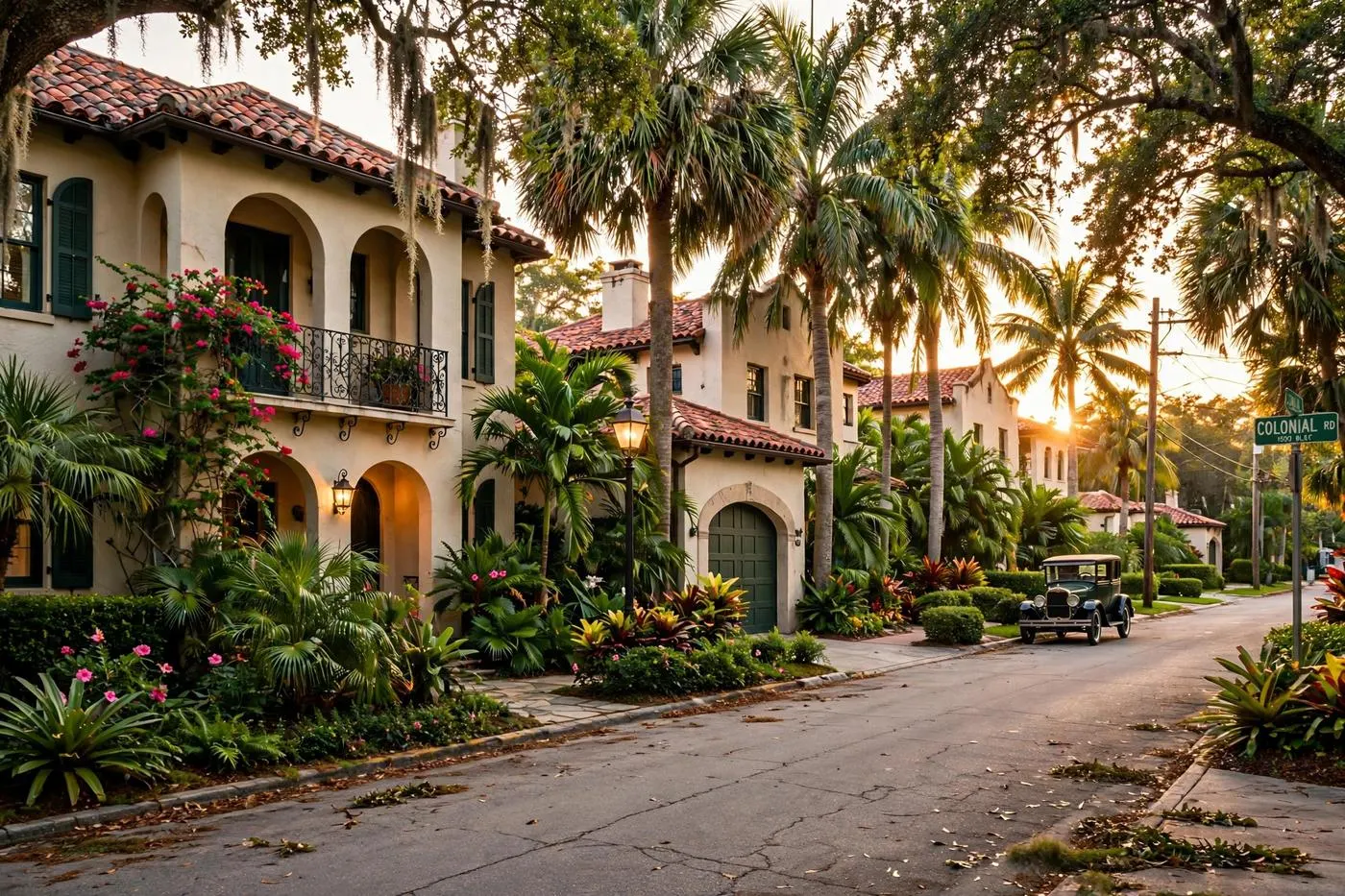
West Palm Beach grew in waves, and each wave left its own plumbing behind. The oldest layer is the historic districts near the waterfront: El Cid, Flamingo Park, Grandview Heights, Prospect Park, and the Northwood neighborhoods. These are 1920s homes, many of them Mediterranean revival and frame vernacular houses built during the Florida land boom, and a remarkable number still drain through original cast iron pipes. Cast iron does not last a century in South Florida soil. It scales, corrodes from the inside, and eventually splits or collapses, and because it runs under slabs and through walls, the first sign is often a slow leak that has been wetting a wall cavity or a subfloor for months before anyone smells it.
The second layer is the postwar growth west of Dixie Highway and out toward Military Trail: ranch homes and garden apartments from the 1950s through the 1980s, plumbed in copper and early PVC, with water heaters and air handlers now on their second or third replacement cycle. Here the losses are appliance driven. A supply line lets go, a condensate drain clogs in August humidity, a water heater gives up at the pan, and a single story ranch takes on water across every room on the slab.
The third layer is the vertical one. Downtown towers and the condo buildings along Flagler Drive and the Clematis corridor stack dozens of homes on shared plumbing risers, which means one failed fitting on the ninth floor becomes a water damage problem for the eight floors below it. Condo losses are as much about process as extraction: building management, access, elevator scheduling, and documentation that satisfies a condo association and an insurer at the same time. We handle that paperwork as part of the job, not as an afterthought.
Then there is the water that comes from outside. West Palm Beach sits on the Lake Worth Lagoon, and the lowest streets near the lagoon and the canals take water during king tides, especially in the fall, when high tides push up through storm drains and pond in the road. Add a stalled summer storm, the kind that drops several inches in an afternoon, and low lots across the Southend, Northwood Shores, and Pineapple Park can see water at the door. Hurricane season, June through November, is the background condition for everything: roof leaks that only show under wind driven rain, and flooding that turns a Category 1 problem into a Category 3 one because the water came from the ground, not a pipe.
One more pattern ties the layers together: the city's own infrastructure is aging alongside its houses. Sewer laterals and lift stations in the older neighborhoods work hard during storm weeks, when infiltration pushes the system and backups show up in the lowest fixtures of the lowest homes, usually a first floor tub or a laundry sink. A backup in a Flamingo Park bungalow is not the homeowner's plumbing failing so much as the street's, but the cleanup is the same Category 3 protocol either way, and the documentation has to be precise about the source, because that detail matters to everyone who reads the file afterward.
Water damage restoration in West Palm Beach, FL, service by service
Water damage restoration is the core call: extraction, moisture mapping, and verified structural drying for homes and condos across the city. When the call cannot wait, our emergency water removal work starts with getting standing water out and the structure opened up to dry.
Mold remediation follows close behind in this climate. A West Palm Beach home that stays damp grows mold in wall cavities and air handlers, and our crews remediate it under containment once the moisture source is fixed. If you are not sure what you are looking at, mold testing answers the question first: inspection and sampling before anyone sells you a removal job.
Fire damage restoration covers soot, smoke, and odor after a fire, including the board up work that secures the building and the water damage the firefighting left behind.
Sewage cleanup is the call nobody wants to make: backups from aging city laterals and failed cast iron, handled as the Category 3 work it is, with containment and disinfection. Biohazard cleanup covers trauma and contamination scenes, discreetly and thoroughly.
Storm damage restoration is the hurricane season service: tarping, board up, flood cleanup, and drying once the weather clears. Contents cleaning handles pack out, cleaning, and documented inventory of the things inside the home, which matters in historic houses full of original woodwork and in condos where everything has to move through one elevator. Commercial restoration serves the offices, restaurants, and retail spaces along Clematis and the downtown core, where downtime is the real cost.
Where we work inside the city
Most weeks find us in the historic districts, El Cid, Flamingo Park, Grandview Heights, and Prospect Park, where the cast iron problem lives, and in Northwood Shores and Pineapple Park, where the lots sit low and the stock is a mix of 1920s cottages and postwar homes. We work the Southend and the Flagler Drive towers, the Clematis Street downtown core, and the neighborhoods west along Belvedere Road, Summit Boulevard, and Forest Hill Boulevard, where the postwar ranch stock is aging into its appliance failure years. Wherever the property sits inside the city, the approach is the same: find the water, stop it, dry the structure, and document the file.
Frequently Asked Questions
My West Palm Beach house was built in the 1920s. Is a slow drain leak really that serious?
In the historic districts, yes. Original cast iron drains corrode from the inside out, and a pinhole or a split under the slab can wet soil, subfloor, and wall framing for months before it shows. The damage we find around a failed cast iron line is usually much larger than the wet spot that finally appeared. It is worth an inspection and moisture reading rather than watching it.
We had king tide water come up through the drains. Is that a restoration job?
It is, and it is treated differently from a pipe leak. Water that arrives through storm drains and from the ground is Category 3 by definition, which changes the protocol: containment, removal of porous materials that took on the water, and disinfection, not just drying. Call us while it is happening if you can do so safely, and photograph the water line for your records.
A pipe burst in the condo above mine. Who handles a loss like that?
Call us, and loop in your building management early. Stack losses involve the unit where the failure started, every unit below it, and the association's master systems, so access and documentation matter as much as extraction. We coordinate with building staff, dry each affected unit, and keep a documented file that each party and each insurer can work from.
Get help in West Palm Beach
Use the form on this page or call us at (728) 235-4938. Tell us where in the city the property is and what happened, and we will take it from there.
Request an Assessment
Tell us what happened and where. We call back with a plan and an honest read on cost before any work starts. If water is actively spreading, call (728) 235-4938 instead, a conversation beats a form when the clock is running.
Request an Assessment
Tell us what happened. We call back with a plan and an honest read on cost before any work starts.