Home › Areas › Water Damage Restoration in Delray Beach, FL
Water Damage Restoration in Delray Beach, FL
When a pipe lets go or the tide pushes in, water damage restoration in Delray Beach, FL is a race against the clock and the calendar. A supply line in a Del-Ida cottage, a water heater in a home off Lake Ida, king tide water coming up through a garage near the Intracoastal: the first hours decide whether you are drying a room or tearing one out. We are a Wellington based crew that works Delray Beach every week, and when you call, we tell you straight when we can be there and what the first visit will look like.
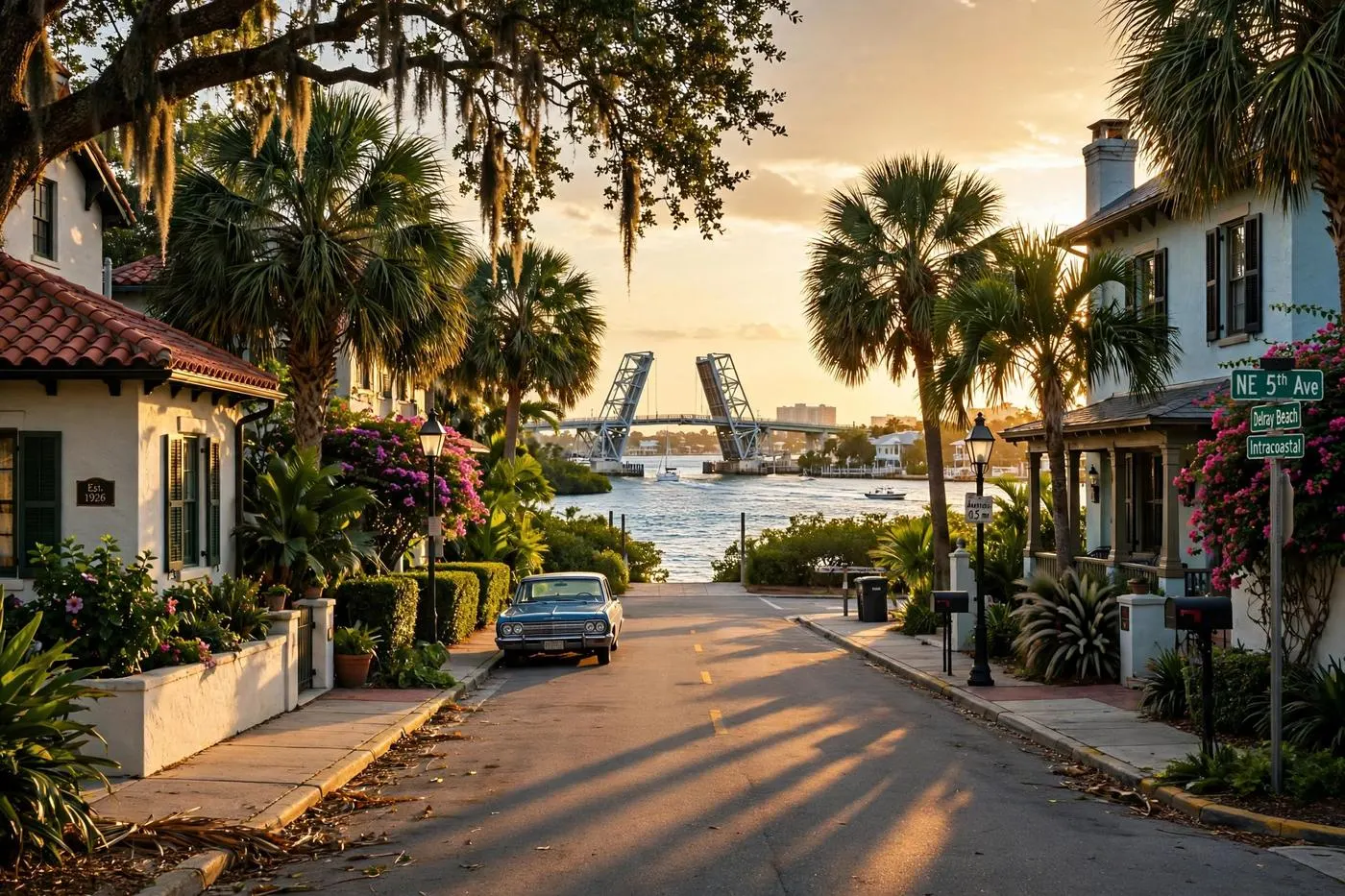
Water Damage Restoration in Delray Beach, FL: The Local Water Profile
Delray Beach packs three different water problems into one small city. Downtown, around Atlantic Avenue and the Pineapple Grove district, the housing stock is some of the oldest in this part of Palm Beach County. The historic districts, Del-Ida, the Old School Square area, West Settlers, and the Marina District, hold 1920s cottages, Mediterranean Revival homes, and mid-century houses with cast iron drain lines and galvanized supply pipes in service for sixty to ninety years. When those lines fail, water moves through plaster walls and old-growth wood differently than through modern drywall, and the drying plan has to respect the fabric of the house.
East of Swinton Avenue, the Intracoastal changes the math. Homes on the barrier island and along the canals live with king tides and sunny day flooding, where brackish water backs up through storm drains into garages and ground floors without a cloud in the sky. Salt in the water changes the cleanup: it corrodes fasteners and appliances, wicks into masonry, and turns a simple dry-out into a wash, extract, and dry sequence. West of I-95, the Lake Ida neighborhoods trade tide risk for lake and canal risk, with summer downpours ponding against slab edges on flat lots.
Then there is the Delray pattern: seasonal homes sit closed through the humid months, and a clogged AC condensate line can drip into a return for weeks before anyone opens the door. The water damage cost guide breaks down what these losses cost and what drives the number.
What We Handle Here
- Water damage restoration: extraction, moisture mapping, and structural drying for burst pipes, appliance failures, and flooding in homes from the Ave to the barrier island.
- Mold remediation: containment and removal where closed-up seasonal homes and slow leaks have given mold a head start, starting with the moisture source.
- Mold testing: inspection and sampling that tells you whether a stain is a cleaning job or a remediation job before you pay for either.
- Fire damage restoration: soot, smoke, and odor work with a local specialty: historic wood frame homes and older kitchens, where one small fire can push soot through plaster, lath, and every soft surface in the house.
- Biohazard cleanup: discreet trauma and contamination cleanup with proper disinfection and safe disposal, coordinated with families and property managers.
- Sewage cleanup: category 3 protocol for drain backups, a real risk in the historic districts where the cast iron lines are older than the houses around them.
- Storm damage restoration: hurricane and heavy rain response: roof tarping, board-up, flood extraction, and drying, for coastal and inland homes alike.
- Contents cleaning: pack-out, cleaning, and documented inventory of furniture, rugs, and household contents after water, soot, or sewage losses.
- Commercial restoration: restaurants, galleries, and offices along Atlantic Avenue and Pineapple Grove, scheduled to get doors open again with minimal downtime.
Around Delray Beach
We work the whole city: the historic cottages of Del-Ida and Osceola Park, the streets around Old School Square and West Settlers, the canal homes of Tropic Isle, the condos and single-family streets along the Intracoastal, the barrier island along A1A, and the lake neighborhoods around Lake Ida on the west side. Just outside the line in Highland Beach, Boca Raton, or Boynton Beach? You are on the same route; the full list is on our service areas page.
Frequently Asked Questions
The water in my garage came in with the tide, not from a pipe. Is the cleanup different?
Yes. Tidal and Intracoastal water carries salt and whatever the storm drains picked up, so it is treated more cautiously than clean supply water. We extract, wash affected surfaces rather than just drying them, and watch metal fasteners, appliances, and masonry for corrosion and salt wicking. The documentation notes the source clearly, because tidal flooding and plumbing failures are handled differently in an insurance file.
My house in Del-Ida is nearly a hundred years old. Will drying wreck the original plaster and wood?
Not if it is planned for those materials. Plaster and old-growth framing dry slower than drywall but often survive losses that would total a modern wall, and we would rather dry in place than start demolition. Where sections are genuinely unsound we will show you the readings and explain why they have to come out before anything is removed.
A small kitchen fire left soot all over our historic home. Is that a restoration job or a cleaning job?
Usually both, in the right order. Soot type decides the method: dry soot wipes one way, greasy kitchen soot smears if you touch it wrong, and odor has to be treated at the source, not covered. We assess the whole path of the smoke, clean contents and surfaces in sequence, and handle any water the response left behind. Our fire damage restoration page explains how a fire loss runs from board-up to odor removal.
Request an Assessment
Tell us what happened and where. We call back with a plan and an honest read on cost before any work starts. If water is actively spreading, call (728) 235-4938 instead, a conversation beats a form when the clock is running.
Request an Assessment
Tell us what happened. We call back with a plan and an honest read on cost before any work starts.